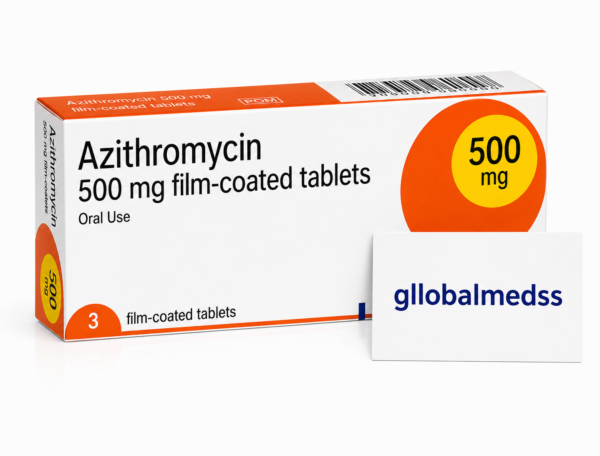
Bacterial infections can affect people of all ages and range from mild conditions to more serious illnesses. When prescribed by a healthcare professional, Azithromycin 500mg Tablet is one of the most trusted antibiotics for treating a wide variety of bacterial infections. Known for its effectiveness, convenient dosing schedule, and broad-spectrum antibacterial activity, this medication has become a common choice for physicians around the world.
If you are looking to learn more about Azithromycin 500mg Tablet, this guide covers everything you need to know, including its uses, benefits, dosage, precautions, possible side effects, and why it remains a reliable treatment option when used correctly.
What Is Azithromycin 500mg Tablet?
Azithromycin 500mg Tablet is a prescription antibiotic that belongs to the macrolide class of antibiotics. It works by stopping the growth of bacteria, allowing your body's immune system to eliminate the infection more effectively.
Unlike antibiotics that require multiple doses each day, Azithromycin is often prescribed once daily, making treatment easier to follow and improving patient compliance.
It is important to remember that Azithromycin only treats bacterial infections. It is not effective against viral illnesses such as the common cold or influenza.
Common Uses of Azithromycin 500mg Tablet
Healthcare providers prescribe Azithromycin 500mg Tablet for many bacterial infections, including:
- Respiratory tract infections
- Community-acquired pneumonia
- Bronchitis
- Sinus infections
- Ear infections
- Throat infections
- Tonsillitis
- Skin and soft tissue infections
- Certain sexually transmitted bacterial infections
- Some gastrointestinal bacterial infections
Because of its broad-spectrum activity, Azithromycin is often selected when multiple bacteria may be responsible for an infection.
How Azithromycin Works
Azithromycin interferes with bacterial protein production by binding to bacterial ribosomes. Without the ability to produce essential proteins, bacteria cannot grow or multiply.
As bacterial growth stops, the immune system can successfully remove the remaining bacteria from the body, leading to recovery.
One reason Azithromycin is popular is its ability to remain in body tissues for an extended period, allowing for shorter treatment courses compared to many other antibiotics.
Benefits of Azithromycin 500mg Tablet
Highly Effective Against Many Bacteria
Azithromycin treats numerous bacterial species responsible for respiratory, skin, and other common infections.
Convenient Once-Daily Dosing
Most patients only need one tablet per day, making treatment easier and improving adherence.
Short Treatment Duration
Many infections can be treated within 3 to 5 days, although your healthcare provider may prescribe a different duration depending on the infection.
Excellent Tissue Penetration
Azithromycin reaches infected tissues efficiently, helping provide effective treatment even after the final dose.
Widely Trusted
Healthcare professionals have prescribed Azithromycin for many years due to its established safety profile and clinical effectiveness when used appropriately.
Recommended Dosage
The appropriate dosage depends on:
- Type of infection
- Severity of illness
- Patient age
- Body weight
- Kidney and liver function
- Medical history
Adults commonly receive:
- 500mg once daily for several days
- Alternative dosing schedules depending on the condition
Always follow your healthcare provider's instructions. Never increase, decrease, or stop treatment early unless advised.
How to Take Azithromycin 500mg Tablet
For best results:
- Take the tablet exactly as prescribed.
- Swallow with a full glass of water.
- Take at the same time each day.
- Complete the entire prescribed course.
- Follow any instructions regarding taking it with or without food, depending on the specific product.
Missing doses or stopping treatment early may allow bacteria to survive and increase the risk of antibiotic resistance.
Who May Benefit from Azithromycin?
Your healthcare provider may prescribe Azithromycin if you have bacterial infections involving:
Respiratory System
Conditions such as:
- Bronchitis
- Pneumonia
- Sinusitis
- Pharyngitis
Ear Infections
Azithromycin may help treat bacterial ear infections in appropriate patients.
Skin Infections
Various uncomplicated skin infections caused by susceptible bacteria can respond well to treatment.
Certain Sexually Transmitted Infections
In some cases, Azithromycin may be prescribed as part of treatment for specific bacterial sexually transmitted infections, following current medical guidelines.
Possible Side Effects
Like all medications, Azithromycin may cause side effects.
Common side effects include:
- Nausea
- Diarrhea
- Mild stomach discomfort
- Vomiting
- Headache
These side effects are generally mild and temporary.
Seek immediate medical attention if you experience:
- Severe allergic reactions
- Difficulty breathing
- Swelling of the face or throat
- Severe or persistent diarrhea
- Irregular heartbeat
- Yellowing of the skin or eyes
Serious side effects are uncommon but require prompt medical evaluation.
Important Safety Information
Before taking Azithromycin, inform your healthcare provider if you have:
- Liver disease
- Kidney disease
- Heart rhythm disorders
- A history of prolonged QT interval
- Myasthenia gravis
- Allergies to macrolide antibiotics
Also provide a complete list of all medications, supplements, and herbal products you are taking, as drug interactions may occur.
Pregnancy and Breastfeeding
If you are pregnant, planning pregnancy, or breastfeeding, consult your healthcare provider before using Azithromycin. They will evaluate the benefits and potential risks before prescribing treatment.
Antibiotic Resistance: Why Responsible Use Matters
Antibiotic resistance is a growing global concern. Using antibiotics responsibly helps preserve their effectiveness.
To reduce resistance:
- Only use antibiotics prescribed by a qualified healthcare provider.
- Never share antibiotics with others.
- Do not use leftover medication.
- Finish the complete treatment course.
- Avoid requesting antibiotics for viral illnesses.
Responsible antibiotic use protects both individual and public health.
Storage Instructions
Store Azithromycin tablets:
- At room temperature
- Away from moisture
- Away from direct sunlight
- Out of reach of children and pets
Do not use expired medication.
Why Patients Appreciate Azithromycin
Many patients appreciate Azithromycin because of its:
- Once-daily dosing
- Short treatment duration
- Reliable effectiveness
- Broad antibacterial coverage
- Well-established clinical use
- Convenient oral tablet formulation
These advantages make it a preferred antibiotic for many common bacterial infections when prescribed appropriately.
Frequently Asked Questions
How quickly does Azithromycin start working?
The medication begins working soon after the first dose, but symptoms may take several days to improve. Continue taking the medication for the full prescribed course even if you feel better.
Can I stop taking it once I feel better?
No. Complete the full course exactly as prescribed unless your healthcare provider instructs otherwise.
Can Azithromycin treat viral infections?
No. Azithromycin is effective only against susceptible bacterial infections and should not be used for colds, influenza, or most sore throats caused by viruses.
Can I drink alcohol while taking Azithromycin?
Alcohol does not directly reduce the antibiotic's effectiveness, but it may worsen side effects such as stomach upset or dizziness. Follow your healthcare provider's advice.
What should I do if I miss a dose?
Take the missed dose as soon as you remember unless it is almost time for your next dose. Do not take two doses at the same time.
Conclusion
Azithromycin 500mg Tablet remains one of the most widely prescribed antibiotics for treating a variety of bacterial infections. Its convenient once-daily dosing, short treatment courses, and broad-spectrum antibacterial activity make it an effective option when prescribed by a qualified healthcare professional.
For the best results, always use Azithromycin exactly as directed, complete the full course of treatment, and avoid using antibiotics without a prescription. Responsible use helps ensure successful treatment while supporting efforts to reduce antibiotic resistance. If you have any questions about Azithromycin 500mg Tablet or experience unexpected symptoms during treatment, consult your healthcare provider or pharmacist promptly.